
TL;DR
- Building a WordPress site and maintaining one are different disciplines, not different levels of difficulty.
- At scale, a bad deploy doesn’t create a support ticket. It costs ad revenue and drops search rankings within hours.
- Two failure modes repeat: agencies that ship and leave, and velocity-first teams that slow down by month three.
- Six years with Recurrent Ventures — a platform that grew into WordPress VIP, now running nine brands including PopSci, Futurism, OutdoorLife, and The War Zone.
Most agencies can build a WordPress site. Fewer can maintain one.
That sounds obvious. Every agency describes itself as a long-term partner. The difference shows up in practice, in month three, when initial feature velocity starts compressing. Or at the first production incident, when someone needs to understand a codebase they didn’t build. Or when search traffic drops because a deploy broke a structured data implementation that nobody thought to test.
Enterprise Website WordPress isn’t a harder version of standard WordPress work. It’s a different discipline, with different failure modes and a different kind of team.
What changes at scale — and why WordPress VIP matters
The platform is rarely the problem. WordPress handles serious traffic when it’s properly set up. WordPress VIP exists because some platforms are too consequential to run without deployment controls: high-volume news operations, enterprise content platforms, SaaS products where a performance drop during peak traffic is a revenue event, not an inconvenience.
Those constraints are the point. VIP enforces a code review process before deployments reach production, a pipeline that doesn’t allow pushes without review, and continuous performance monitoring. These aren’t bureaucratic overhead. They are the infrastructure that prevents a bad deploy from becoming a measurable loss in audience and ranking.
Development teams that haven’t operated within VIP’s constraints before spend their first weeks adapting to the system rather than building on it. That ramp-up cost doesn’t appear in a portfolio. It shows up in the first sprint review.
What changes is the cost of getting things wrong.
On a portfolio site, a bad deploy creates a support ticket. On a platform where ad revenue depends on uptime and an editorial team publishes on a schedule that doesn’t pause for engineering problems, the same deploy has a measurable cost: missed audience, lost rankings, revenue.
Deployment errors have a price
At scale, every release touches live traffic. Code review standards, staging environments that match production, and rollback procedures that work under pressure stop being process formalities. They become the difference between a smooth release and a production incident. Teams that haven’t operated at this level usually discover the gap after the first incident.
On WordPress VIP, this is enforced by the platform: deployments go through a code review pipeline before they reach production. The constraint exists because enough teams learned the hard way what happens without it.
The Deployment Constraint is Your Revenue Firewall.
WordPress VIP’s architecture enforces a strict, non-negotiable deployment pipeline. This mandatory workflow requires pre-production code review and continuous monitoring, guaranteeing zero unvalidated code touches live traffic. This process—supported by containerized isolation and built-in edge caching—is the essential discipline required to actively protect your enterprise content revenue streams and maintain search authority.
Legacy and modern systems run in parallel
Clean migrations are rare, especially in enterprises. The more common reality is a growing editorial team publishing on legacy infrastructure while modern replacements get built alongside it, with the same engineering team keeping both stable. That requires different architectural thinking than building from scratch.
SEO is an engineering work
The mandatory VIP code review is not a hurdle; it is a required, pre-deployment SEO performance audit. Our deployment standards guarantee that critical factors like page delivery speed and structured data health cannot be broken by a bad commit. We turn engineering discipline into compounding traffic returns
The two failure modes
Two patterns repeat often enough to be worth naming.
The first: the project-based agency. Builds well, delivers on schedule, then leaves. The platform inherits whatever architectural decisions were made. The next team spends its first quarter rebuilding context rather than improving the product. Context doesn’t transfer in a handover document. It builds through operating the system.
The second: the velocity-first team. Fast in month one, strong sprint reviews, then technical debt starts compressing delivery pace. This typically shows up within two to three months as change failure rate climbs and the rework backlog grows faster than new features ship. By month six, the team that looked fast at the start is slower than a methodical team would have been.
Neither pattern is cheap to fix. Both require resetting the engagement model.
See how a dedicated team stabilised and scaled a complex multi-site WordPress environment over 6 years.
What the delivery model actually requires for a large-scale enterprise website
Recurrent Ventures operates nine brands on WordPress VIP — PopSci, Futurism, OutdoorLife, The War Zone, The Drive, and four others — collectively reaching tens of millions of readers monthly. When they needed a development partner, the question wasn’t whether WordPress could handle the traffic. As their platform scaled, it moved to WordPress VIP. The question was whether a development team could grow with it.
One team. Sustained continuity. Context that accumulates rather than resets.
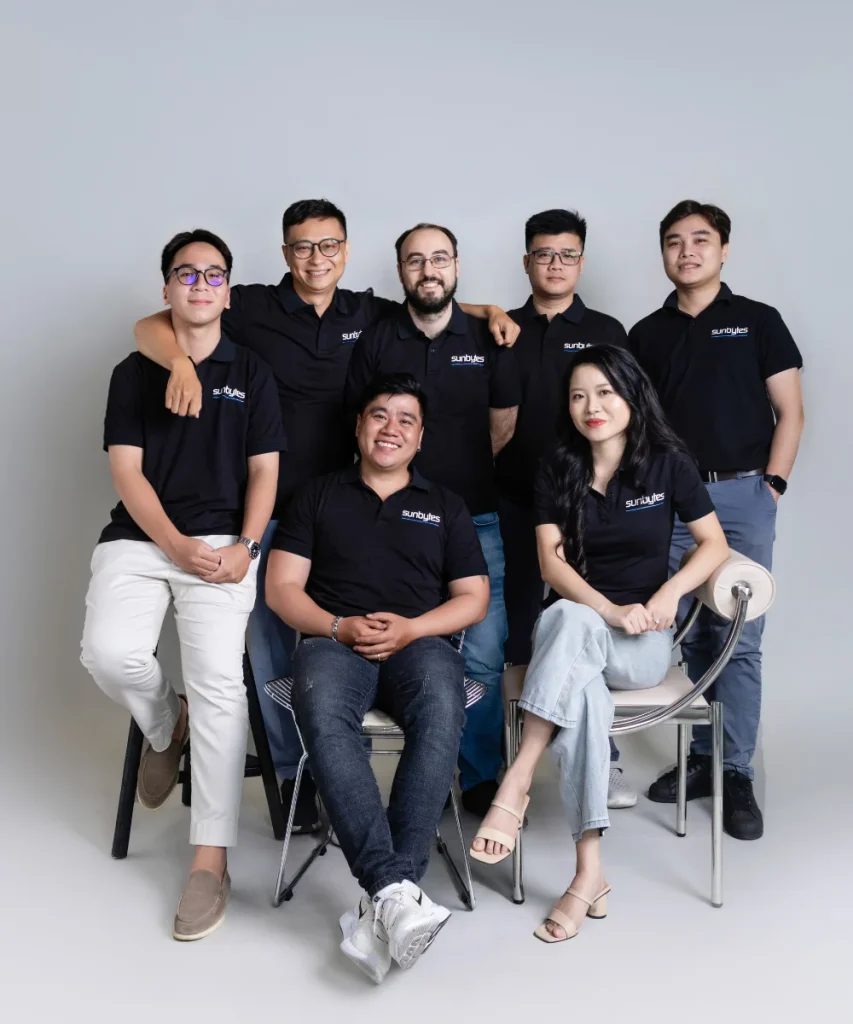
How Sunbytes Setup: four senior full-stack developers across CMS development, DevOps, and legacy system maintenance; one project manager coordinating sprints across multiple site priorities; one QA engineer keeping release standards consistent across all properties.
| Recurrent Ventures — 6 years, now on WordPress VIP |
|---|
| ✓ Nine brands, all on WordPress VIP ✓ PopSci.com ✓ Futurism.com ✓ OutdoorLife.com ✓ The War Zone (TWZ.com) ✓ The Drive(TheDrive.com) ✓ BobVila.com ✓ TaskAndPurpose.com ✓ WeAreTheMighty.com ✓ Domino.com ✓ 6 years (2020 – present), ongoing |
Sites that used to be unreliable now run with consistent uptime. Technical debt came down without halting delivery. None of it came from a technology decision. It came from the engagement model.
What to look for when evaluating a website development partner for your Enterprise Website
The clearest signal that a team can operate at enterprise WordPress scale isn’t their portfolio. It’s how they describe their engagement model.
Partners who build well ask about features, timelines, and scope.
Partners who can maintain platforms ask about your deployment process, your release cadence, what happens when something breaks in production, and how your team and theirs will coordinate week to week.
Both sets of questions look like due diligence. Only one reveals whether the team has actually run a platform at your scale before. Technical capability is often comparable across shortlisted agencies. What isn’t comparable is whether a team has maintained a platform under real traffic, managed legacy alongside feature work, and built the institutional knowledge that only comes from running the same system for years.
How Sunbytes Fits
Sunbytes works with media companies, publishers, and SaaS platforms where WordPress is infrastructure, not a website. That includes platforms on WordPress VIP and headless WordPress architectures built for serious traffic.
Engagements show what that looks like in practice.
- Recurrent Ventures, parent company of PopSci, Futurism, OutdoorLife, The War Zone, and five other major US media brands, runs all nine properties on WordPress VIP. Six years, a dedicated team of six.
- Flexpress runs a headless WordPress stack serving 50M+ monthly visitors across a growing portfolio of sites and a content ecosystem of 2M+ users. Nine engineers over three years, scaling from a single-site operation to a multi-property platform.
300+ projects delivered across the industries in Europe. ISO 27001 certified, GDPR Article 28 DPA on every engagement.
If your platform is at this scale, talk to our team.